
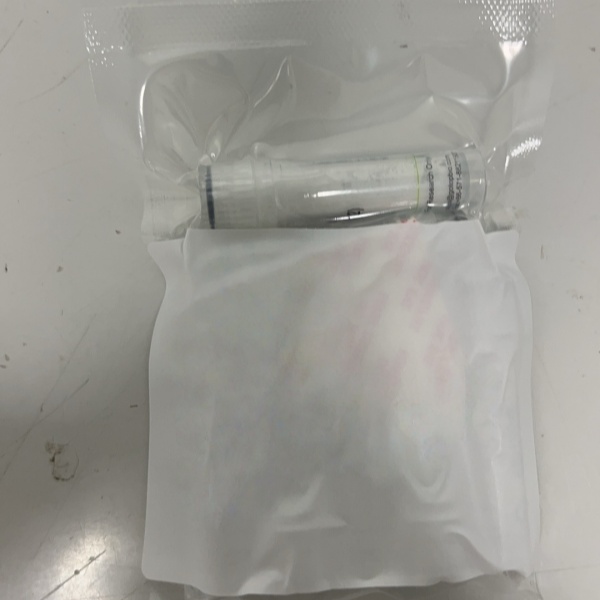
Beinaglutid, 123475-27-4, kínai peptid
Irány: A beinaglutid (CAS 123475-27-4) egy 3298,67 molekulatömegű rekombináns humán GLP-1 peptid. Szilárd fázisú peptidszintézissel állítják elő, liofilizált fehér por formájában. Alkalmas a GLP-1 receptorral kapcsolatos in vitro és preklinikai kutatásokhoz. HPLC tisztaság ≥98%, -20 ℃-on tárolandó a stabil, hosszú távú megőrzés érdekében.

alap információ:
márka: szilárd toldás
megjelenési tulajdonságok:fehérpor
tárolás: árnyékolás, menőszárítás,zárt tartósítási tisztaság: ≥ 99% fő felhasználás: Polipeptid kutatási felhasználás
végrehajtásszabvány: vállalati szabvány
specifikációk:mg/g/kg stb. (az ügyfelek igényei szerint)
értékesítési terület: globális
peptid gyakran ismételt kérdések:
q: What situations should be considered using designer peptides as antigens?
Answer: If the amino acid sequence is known, but the antigen protein cannot be obtained due to gene cloning or expression, or only antibodies to certain specific epitopes of the antigen protein need to be obtained, the antigen can be obtained by polypeptide synthesis. For example, it is only necessary to produce specific antibodies to a certain region of the protein, such as the N-terminal precursor of the protein, and the N-terminal polypeptide antigen can be designed. If the antibody is used to recognize modified amino acids, such as phosphorylated serine, threonine or tyrosine, acetylated lysine, etc., the polypeptide must be modified accordingly. Antisera generally recognize the polypeptide sequence used for immunization, but not necessarily the folded structure of the native protein. Whether an antibody to a non-continuous antigen can recognize an antigenic determinant depends on whether the polypeptide used for antibody production has a secondary structure.
Termékkategóriák
-
Hispidalin/GT peptid/peptid szállító
-

OVA peptid (257-264) TFA/1262751-08-5/GT peptid/peptid szállító
-

Amiloid β-protein (5-42) ammónium-só/1678415-97-8/gt peptid/peptid szállító
-
Amiloid BRI fehérje (1-23) trifluor-acetát só/717122-86-6/GT peptid/peptid szállító
-
Bombesin/31362-50-2/GT peptid/peptid szállító
-

Amyloid DAN fehérje (1-34) (redukált) trifluor-acetát só/1802083-00-6/GT peptid/peptid szállító